 Official government website of the Government of the Kingdom of Saudi Arabia




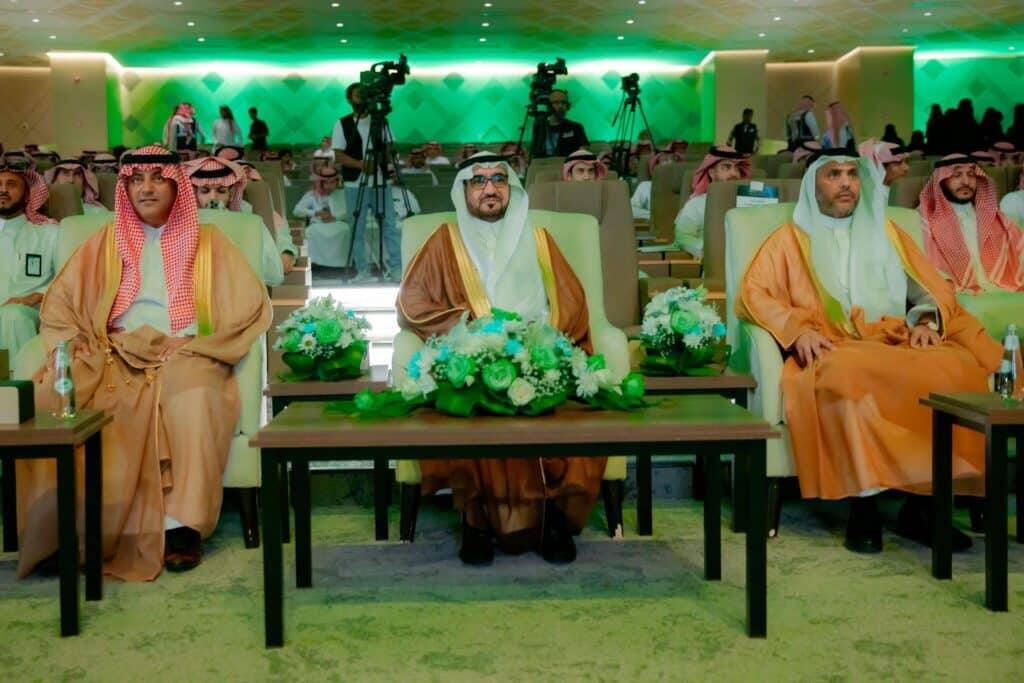
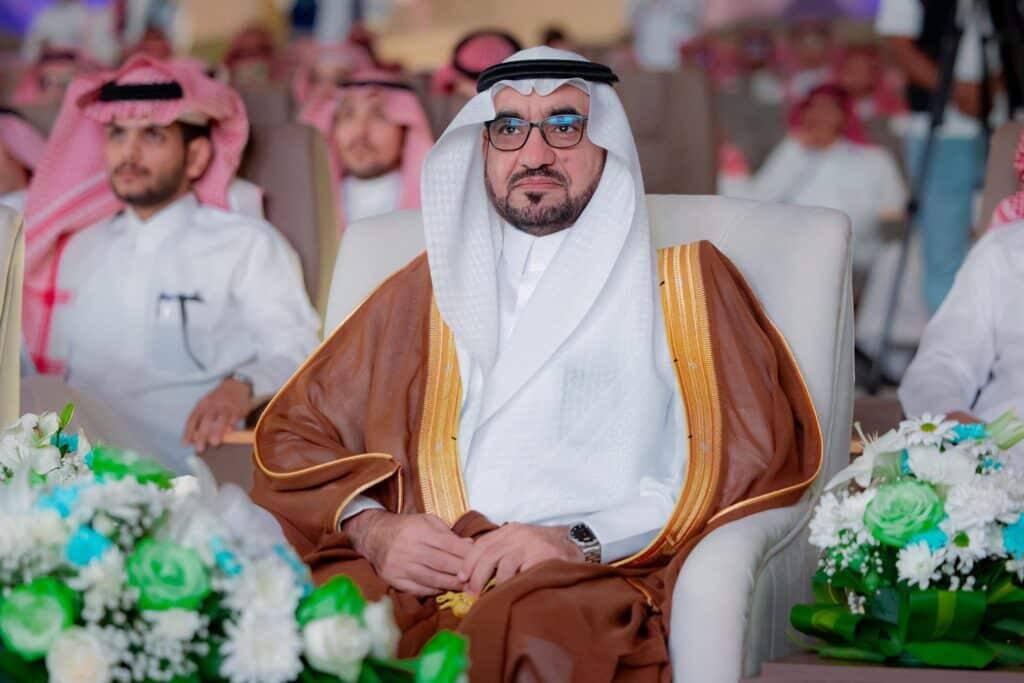
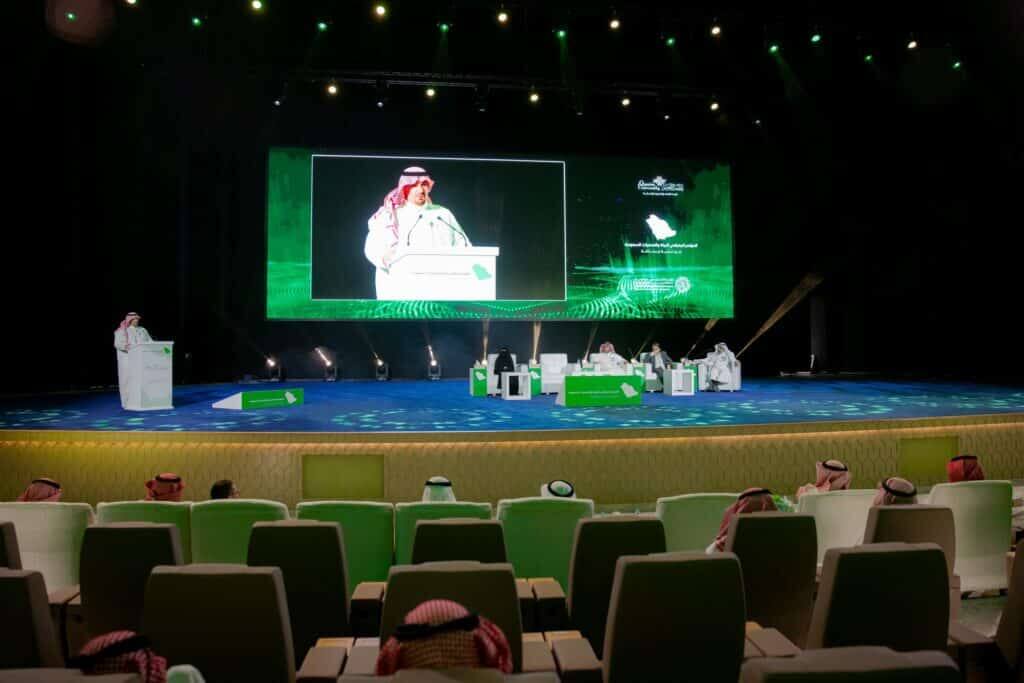
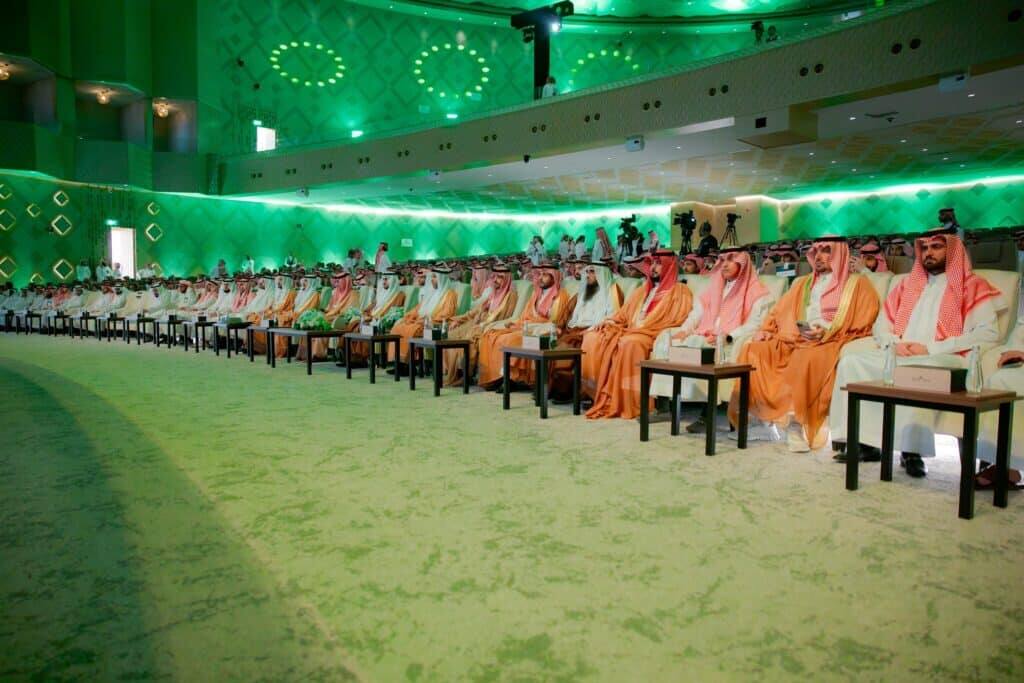
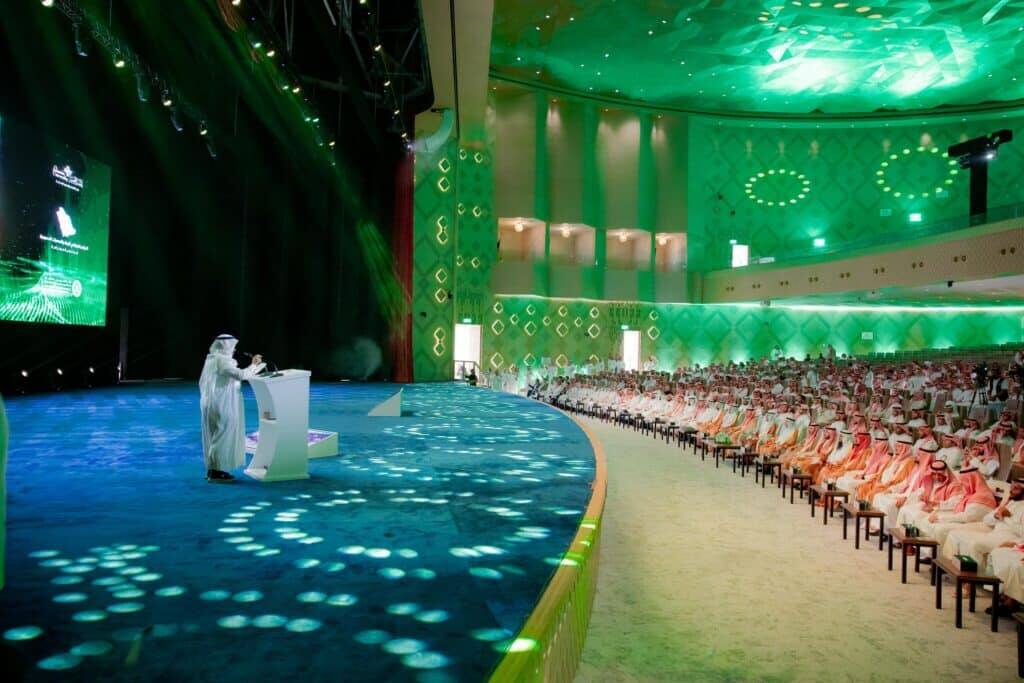
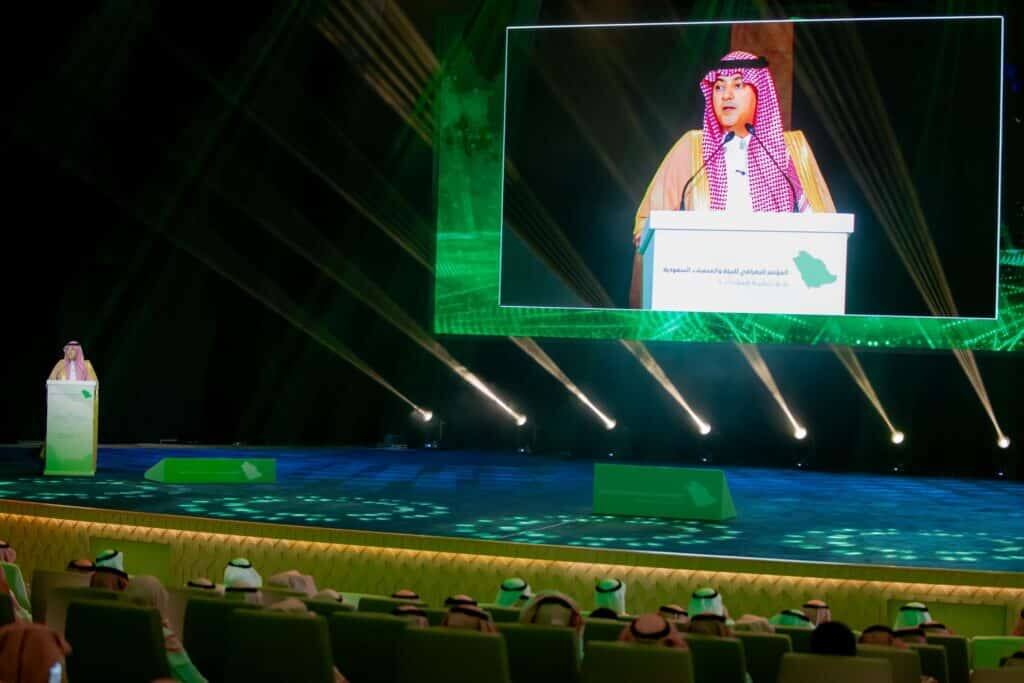
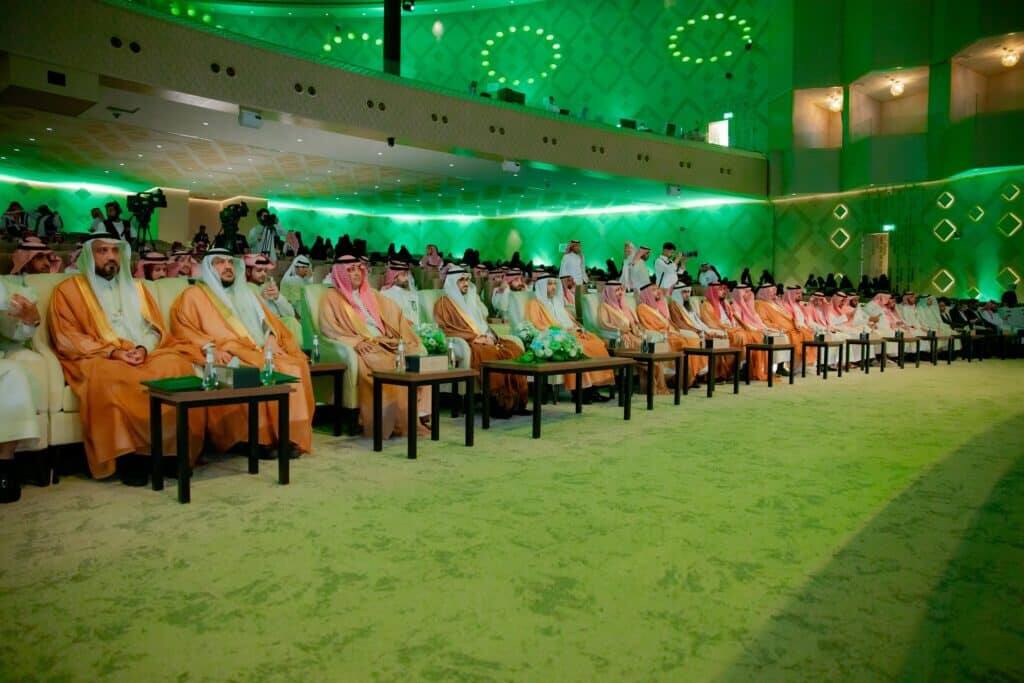
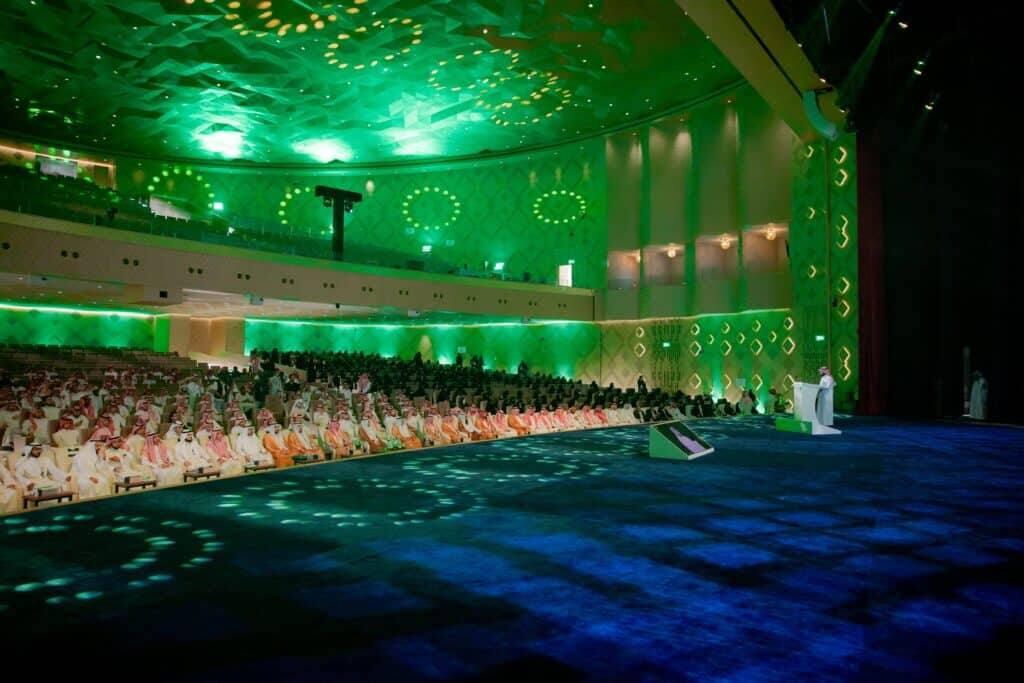
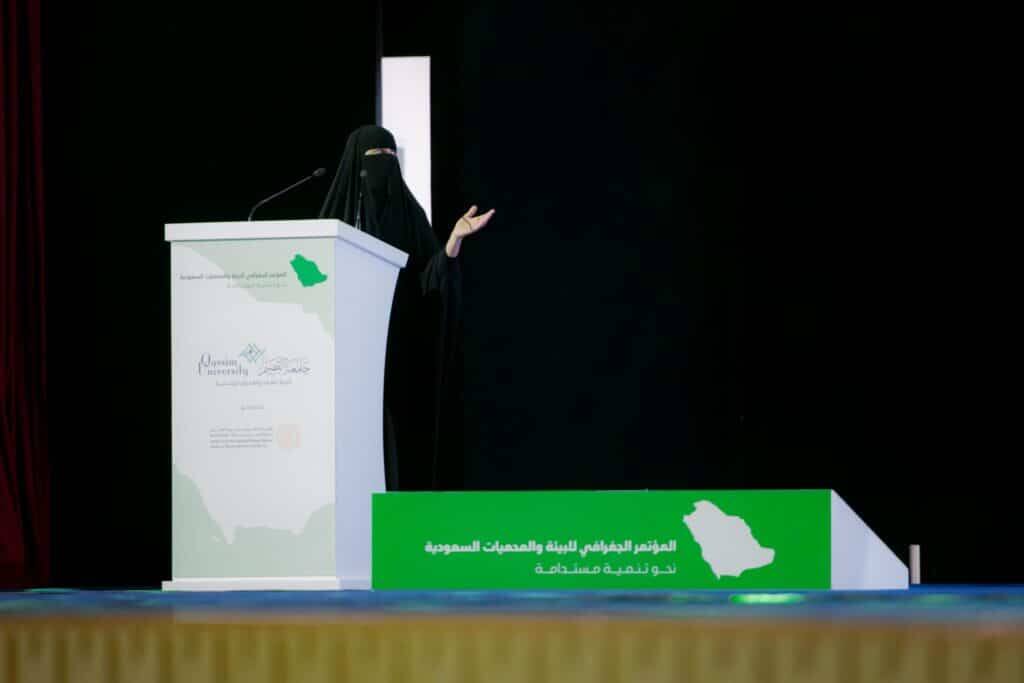
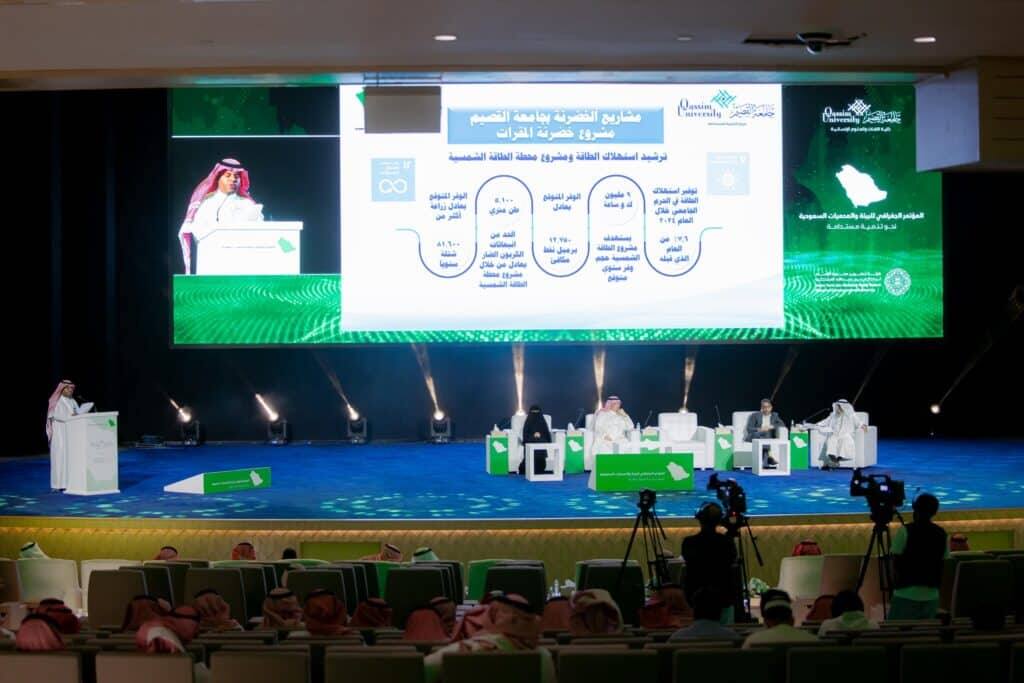
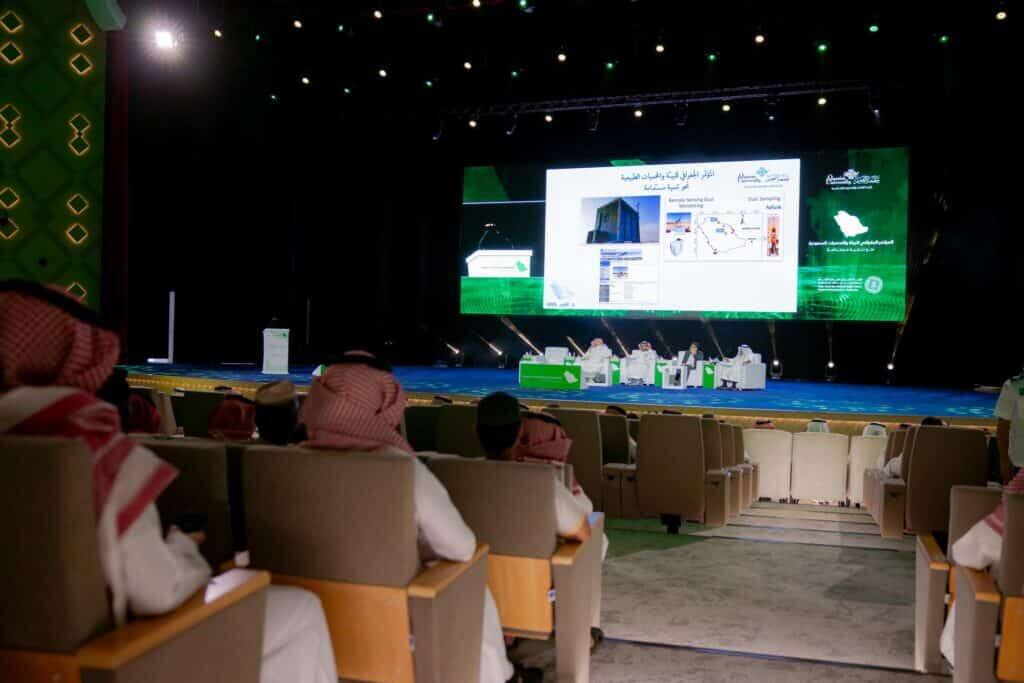
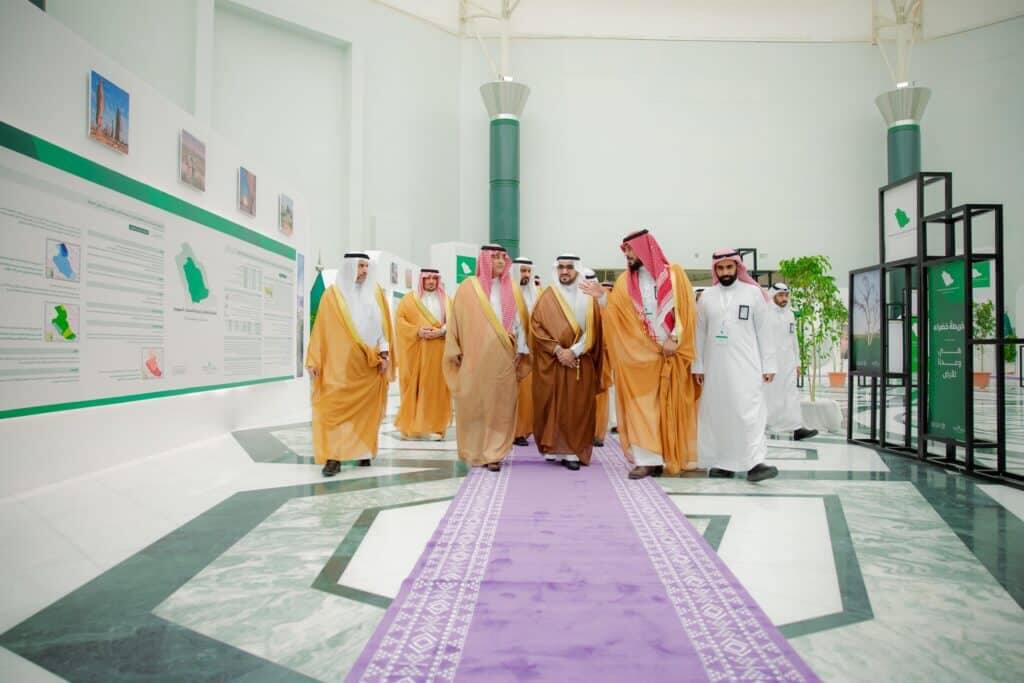
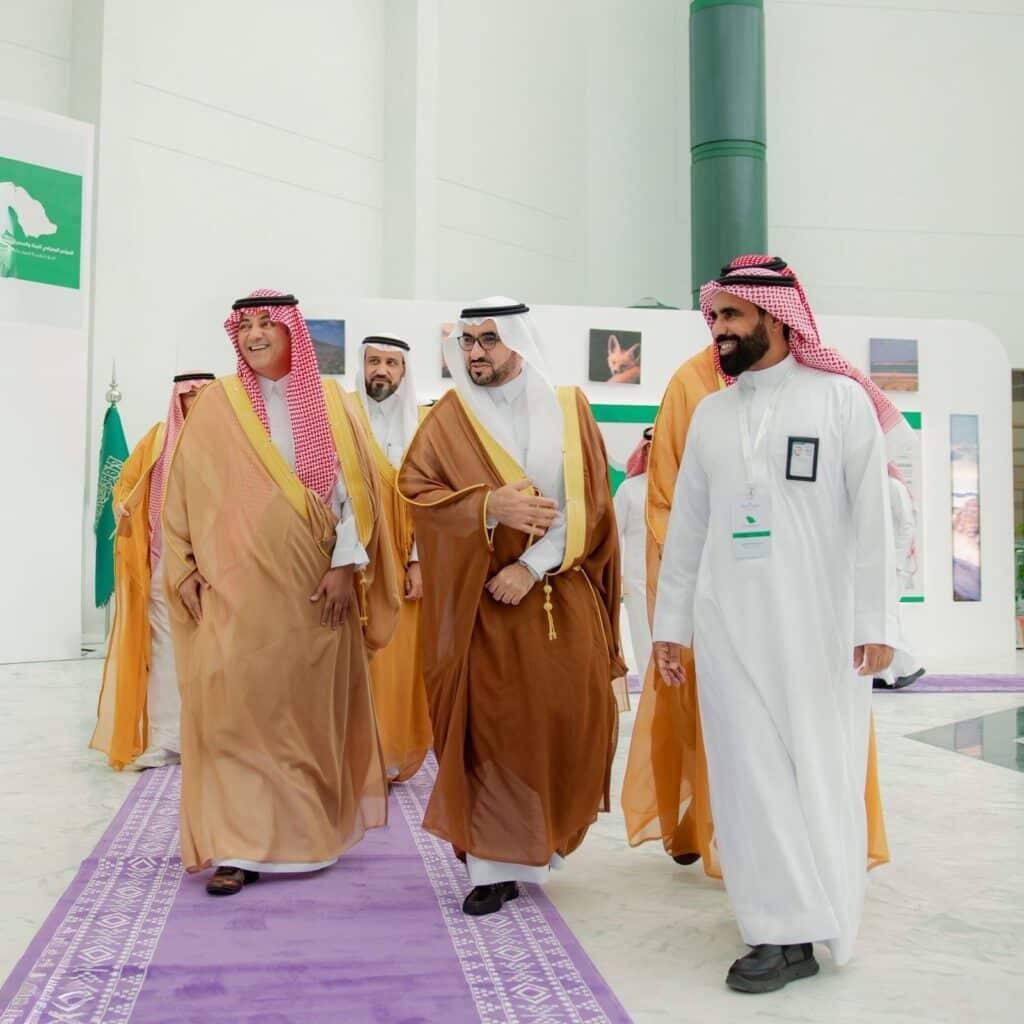
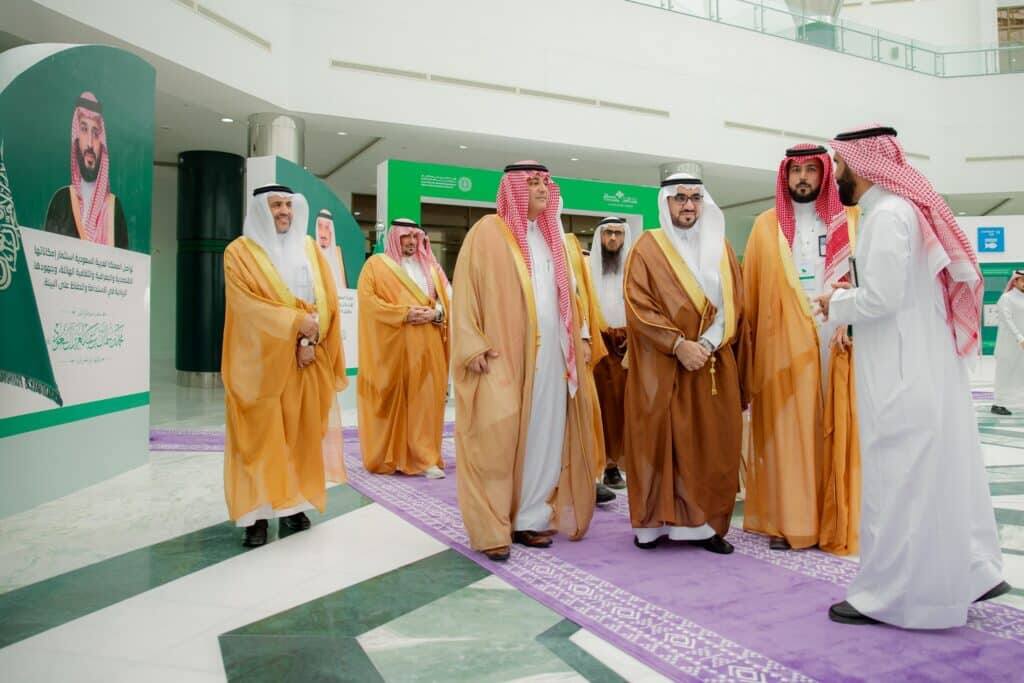
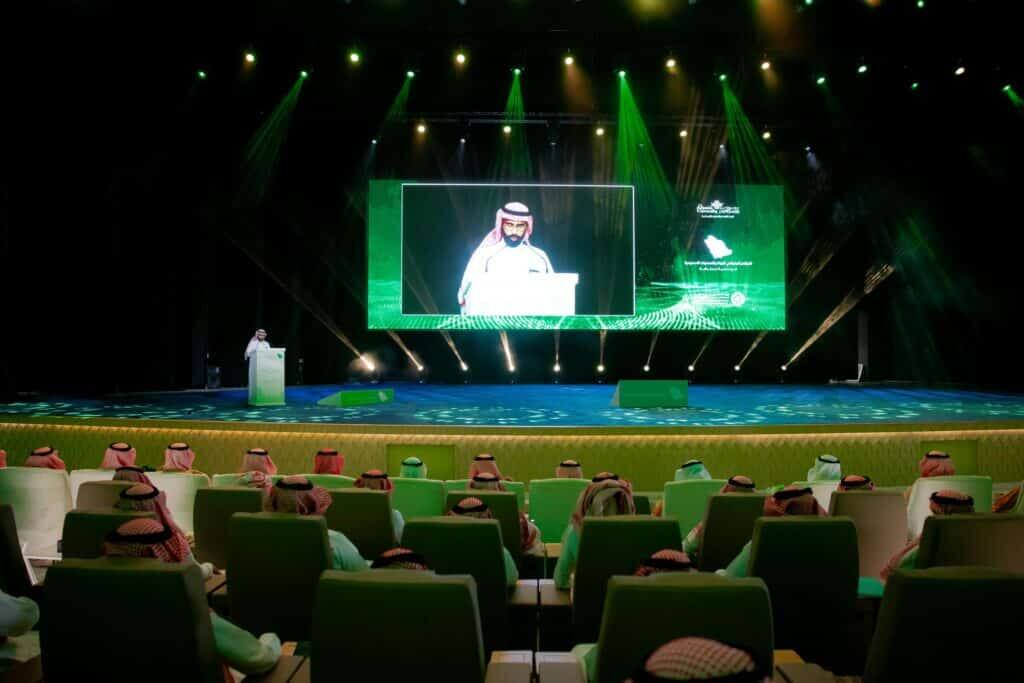
His Excellency the President of the University, Professor Dr. Mohammed bin Fahad Al-Sharikh, sponsored today, Wednesday, October 1, 2025, the «Geographical Conference on Saudi Environment and Protected Areas: Towards Sustainable Development,» organized by the university, represented by the College of Languages and Humanities, in partnership with the Royal Commission for Imam Turki bin Abdullah Royal Reserve Development, and with the participation of several entities. The conference was attended by His Excellency the CEO of the Commission, Eng. Mohammed bin Abdulrahman Al-Shalan, and their Excellencies the Vice Presidents of the University, at the King Abdulaziz Conference Center in the university city.
His Excellency the President of the University praised the topics and initiatives discussed in the sessions, emphasizing the importance of intensifying studies and research to support national efforts in the field of environment and sustainability. He noted that organizing such conferences reflects the university's role and scientific mission in serving environmental issues.
The Dean added that this conference comes within the university's responsibilities and its role in promoting scientific research in various fields and benefiting from its outcomes to achieve the goals of Saudi Vision 2030, by encouraging researchers and holding such scientific conferences and coming up with results and recommendations that can be applied in reality.
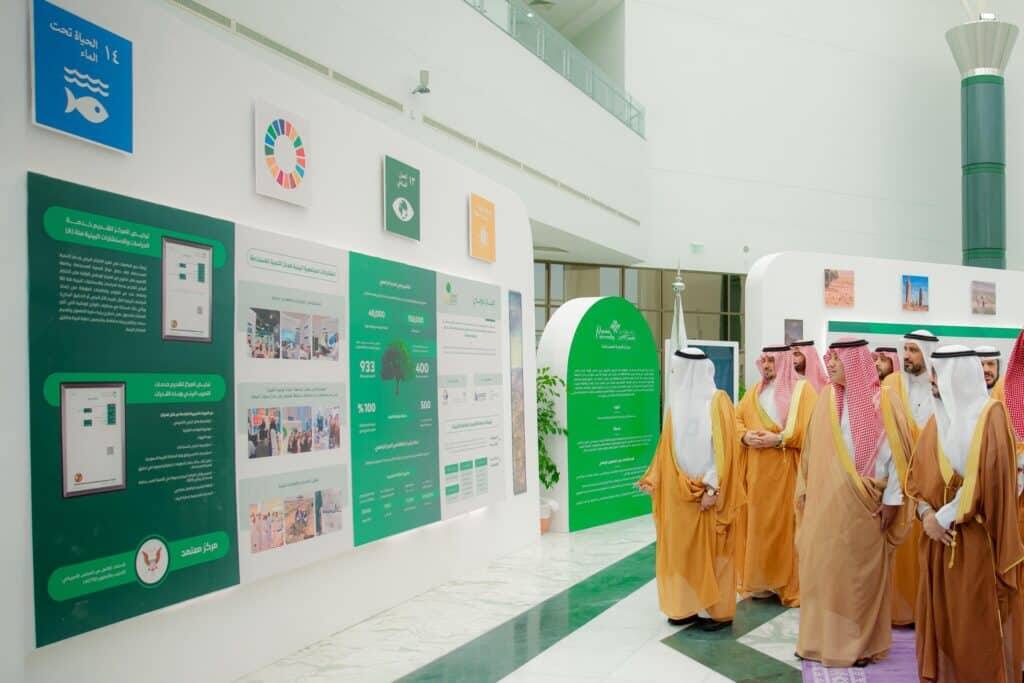
The university president attended the closing of the conference, where he honored the speakers, who were experts and specialists, as well as the organizing committees of the conference. He expressed his thanks and appreciation to all the researchers participating in the conference. His Excellency also viewed the accompanying research poster exhibition, in which geography students from the university participated.
The conference included two main sessions. The first session focused on Saudi Royal Reserves, discussing their geographical contributions to development, biodiversity, species reintroduction, invasive species distribution, the role of local communities and geographic/cultural heritage in biodiversity conservation and habitat restoration, sustainable ecotourism in reserves, the role of remote sensing, GIS, and digital transformation in reserve management, monitoring, and sustainability, and water resource management and flood risk mitigation in reserves.
The second session of Saudi Green and Environmental Sustainability, the role of Geographic Information Systems and Remote Sensing in land reclamation and restoration of natural green spaces in the Kingdom of Saudi Arabia, controlling air, water, and soil quality, local community and civil society initiatives in environmental sustainability, the Green Initiative – Opportunities and Challenges –, climate change and adaptation, and sustainable urban and rural planning and development challenges were also discussed.
The conference aimed to highlight the role of geographical studies in preserving environmental sustainability, fostering environmental belonging and the role of royal reserves in preserving environmental components, demonstrating the effectiveness of sensing technologies and Geographic Information Systems in environmental protection, spreading environmental culture and strengthening the relationship between local communities and natural environments, supporting initiatives that serve the Saudi Green Initiative, and studies related to climate change and air quality control.
At the conclusion of the conference, the university signed a Memorandum of Understanding with the Royal Commission for Al-Ula to enhance cooperation in the fields of scientific research and environmental awareness, signed by the university president and the CEO of the commission.
