 Official government website of the Government of the Kingdom of Saudi Arabia




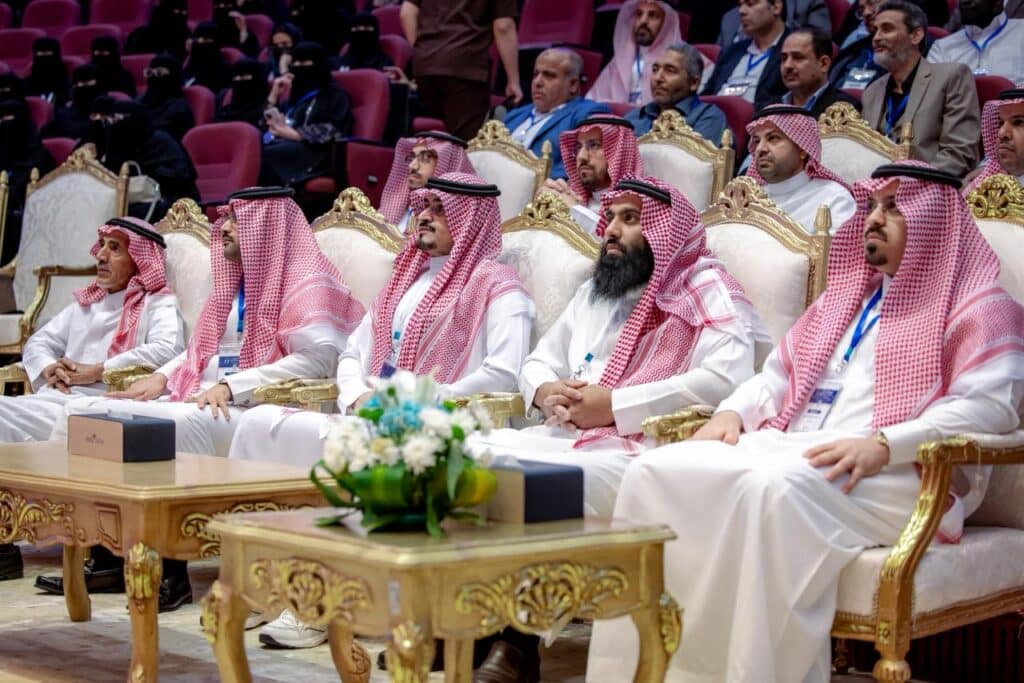
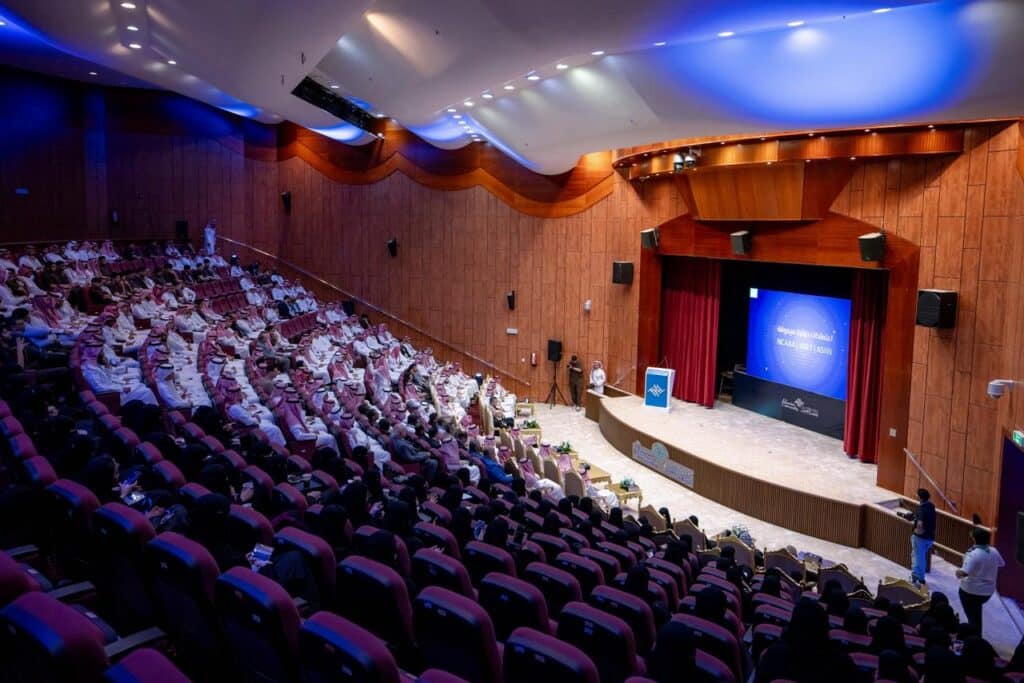
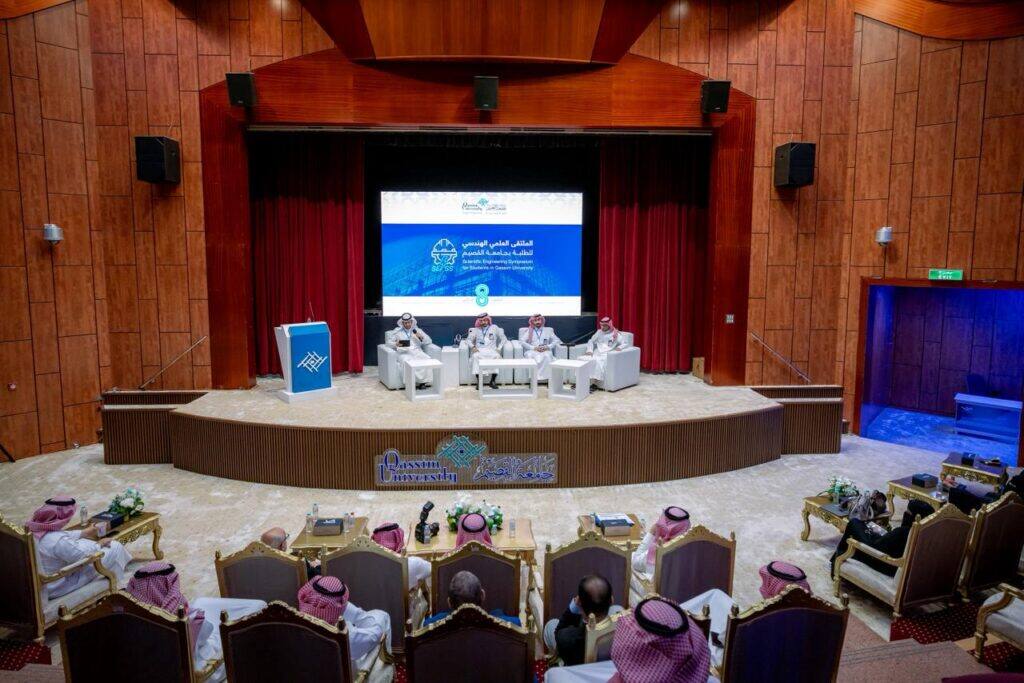
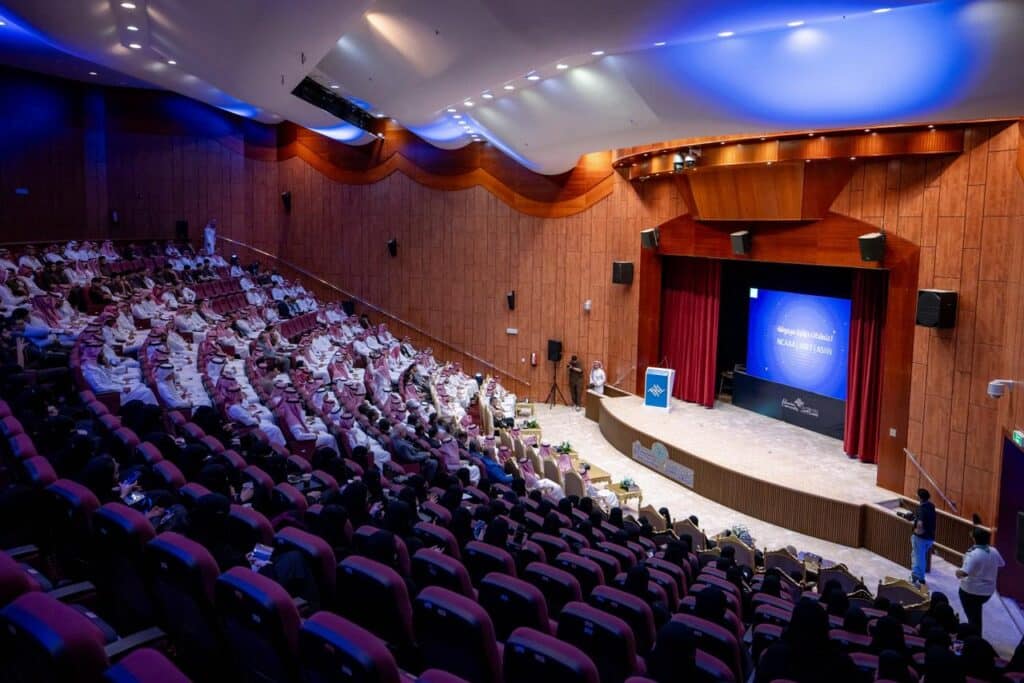
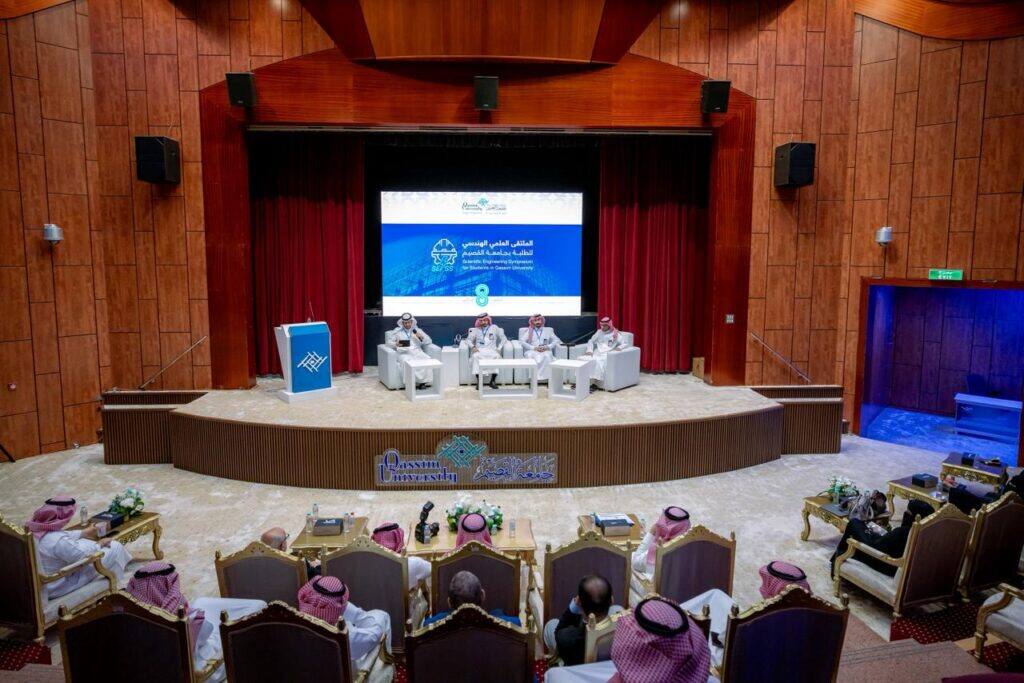
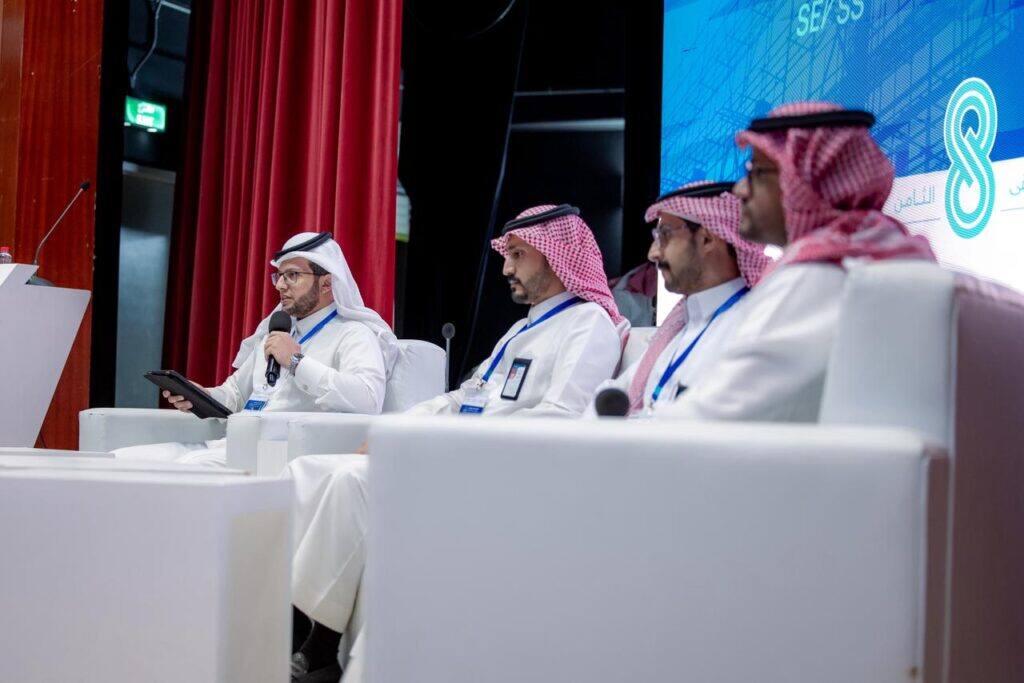
The 8th Engineering Scientific Forum at the university witnessed a dialogue session titled “Engineering Quality of Life,” moderated by Dr. Abdullah Al-Ghofais, Associate Professor in the Mechanical Engineering Department at the College of Engineering. Several specialists in the field of engineering spoke during the session. The moderator emphasized that the quality of life is not built from a single perspective and is not achieved by chance. Rather, it is a continuous design process involving engineers, planners, decision-makers, and individuals themselves.
Speakers during the session clarified that quality of life is not a “perfect state” that can be permanently achieved, but rather a continuous improvement process that requires a constant balance between engineering efficiency, human comfort, sustainability, and cost. They emphasized that engineering today is no longer solely focused on building systems and infrastructure, but has become directly linked to designing the human's daily experience.
The speakers discussed how elements such as energy, water, transportation, and the built environment affect quality of life beyond technical aspects, encompassing social, psychological, and economic impacts. The dialogue also addressed the role of cities and urban planning in shaping human behavior, through the design of streets, public spaces, and mobility patterns, not just by providing services.
The session addressed the challenge between ideal design and actual behavior, where some advanced engineering solutions may fail due to how humans use them, not because of flaws in the technology itself. It was also discussed that quality of life cannot be reduced to a single index or equation, but is a complex system involving the interplay of engineering, human behavior, and urban planning.
Dr. Mansour Al Turki, Associate Professor in the Civil Engineering Department at the College of Engineering, mentioned that the quality of life begins with small engineering details that humans do not notice… but they affect them every day. Dr. Mohammed Al-Badrani, Associate Professor in the Mechanical Engineering Department at the College of Engineering, pointed out that a city is not just a place where we live, but a system that continuously reshapes our behavior and daily choices. Meanwhile, Dr. Yasser Al-Fulaih, Assistant Professor in the Mechanical Engineering Department, affirmed that most technologies do not fail due to their weakness, but rather due to the gap between design and actual human behavior.
The session concluded that the real challenge in the future will not only be building smarter cities and systems, but building environments that help humans live more balanced, sustainable, and humane lives.
The forum also witnessed the organization of an engineering hackathon titled “Wind Turbine from Design to Operation,” designed by the Enrichment Activities Committee of the forum, headed by Dr. Yasser Al-Flaih, Assistant Professor in the Mechanical Engineering Department at the College of Engineering, with the membership of Professor Dr. Hanafi from the Mechanical Engineering Department at the College of Engineering Omar and Dr. Saad Makras, Assistant Professor in the Mechanical Engineering Department. Participating teams from all departments of the college, consisting of male and female students, assembled the turbine components, designed the necessary parts, and printed them using 3D printing technology. All teams succeeded in completing the operation after manufacturing and assembly. All participating teams were honored and prizes were distributed to the participants.
